
Automotive design is advancing rapidly, with sustainability, advanced materials, and new technologies redefining vehicle interiors. For CMF professionals, integrating innovative materials into production vehicles is a complex process that requires balancing aesthetics, performance, cost, and sustainability.
While new materials offer exciting possibilities, the road from concept to production is filled with challenges. Scalability, durability, and cost are three of the biggest hurdles that CMF professionals and material suppliers must overcome to successfully introduce novel materials into the automotive industry.
This blog explores the key barriers to material adoption, the importance of collaboration between material suppliers and OEMs, and the critical steps in the material development timeline.
Key Barriers to Adopting New Materials in Automotive Design
CMF professionals are continually searching for materials that offer sustainability, enhanced performance, and aesthetic appeal. However, introducing new materials into mass production is not as simple as finding an innovative textile or surface treatment. The automotive industry operates within strict performance, safety, and cost constraints, making widespread adoption of new materials challenging.
Scalability: Why Large-Scale Production is a Hurdle
One of the first questions an OEM will ask about a new material is whether it can be produced at scale. A material may perform well in a prototype or concept vehicle, but if it cannot be manufactured consistently in large volumes, it will struggle to gain traction in mainstream production.
Challenges in Scaling New Materials:
- Raw material availability – Sustainable or bio-based materials often rely on specialized sourcing, which may not be available in large quantities.
- Manufacturing consistency – Variability in color, texture, or mechanical properties can cause quality control issues when producing materials at scale.
- Production speed – If a material cannot meet the fast-paced production timelines of automotive manufacturing, it may not be a feasible option.
To address scalability concerns, CMF professionals must work closely with material suppliers to ensure that innovative materials can be produced reliably, efficiently, and at the necessary volume for OEM adoption.
Durability: Meeting Industry Testing and Real-World Standards
Automotive materials must endure years of use in extreme conditions. Unlike fashion or consumer product textiles, vehicle interiors face constant exposure to heat, UV light, moisture, friction, and chemical cleaners. This makes durability one of the most important factors in material selection.
Key Durability Tests for Automotive Materials:
- Abrasion resistance – Ensuring that fabrics, coatings, and finishes can withstand repeated contact and friction without degrading.
- UV and heat stability – Materials must maintain color, texture, and strength despite prolonged exposure to sunlight and high temperatures.
- Flammability compliance – Automotive materials must meet strict fire safety regulations to prevent hazards.
- Chemical resistance – Interior surfaces should not break down when exposed to cleaning agents, oils, or other chemicals.
New materials must pass rigorous laboratory and real-world testing before they can be approved for use in production vehicles. If a material does not meet these high standards, it can lead to delays, redesigns, or even complete rejection by OEMs.
Cost: Balancing Innovation with Economic Viability
Even the most exciting new material will struggle to gain OEM adoption if it is too expensive. Automakers operate within tight cost structures, and every component, from upholstery to trim, must align with budget constraints.
Factors That Influence Material Costs:
- Raw material expenses – Sustainable and innovative materials often have higher sourcing and production costs compared to traditional options.
- Processing and manufacturing – Specialized treatments, coatings, or bonding techniques can add to production expenses.
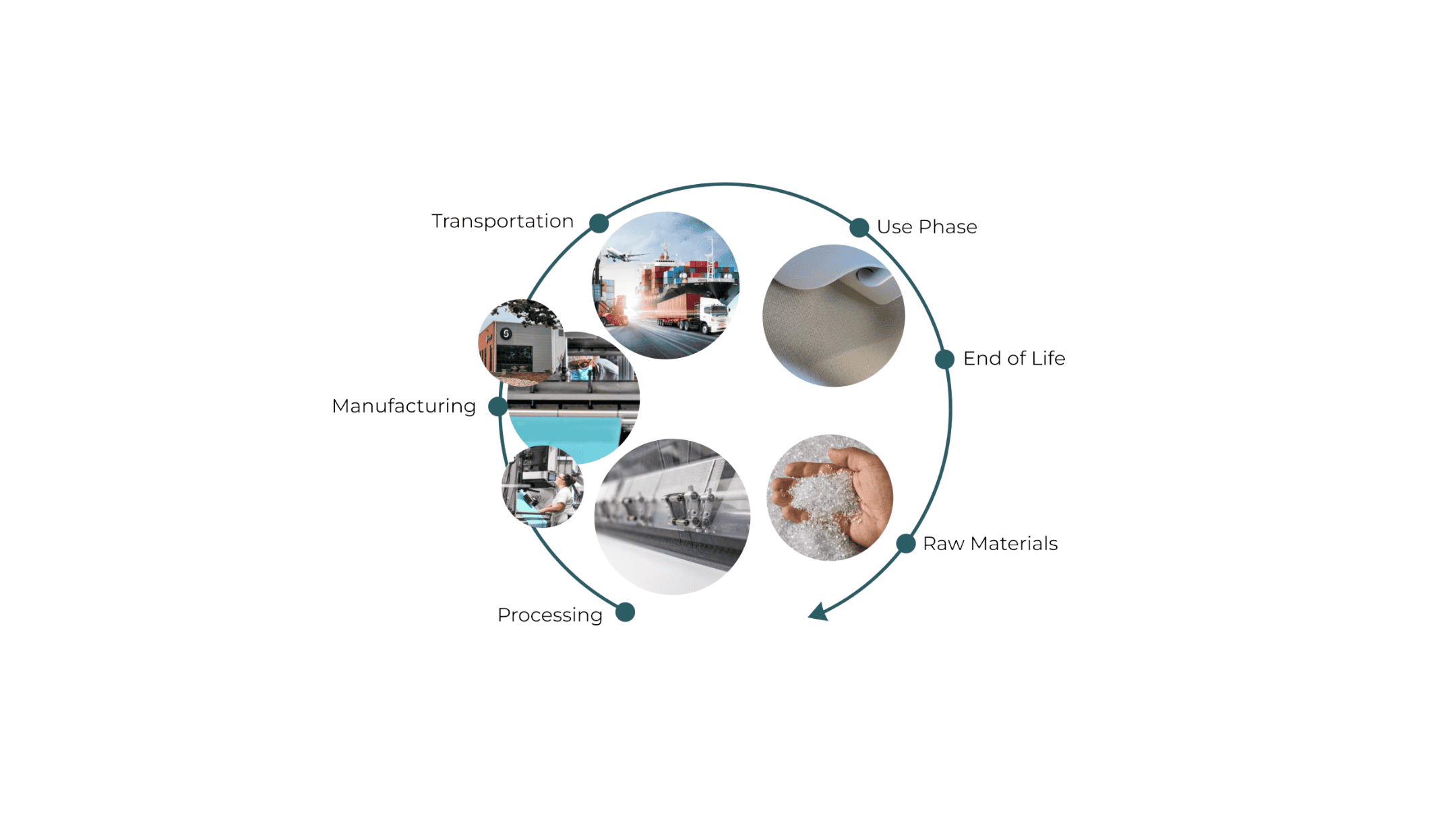
- Supply chain logistics – Materials sourced from multiple global locations may increase transportation and import costs.
For CMF professionals, the challenge is to find materials that offer sustainability and innovation without exceeding cost targets. Collaboration with material suppliers and manufacturing teams can help identify cost-efficient solutions, such as using blended materials, adjusting processing methods, or optimizing sourcing strategies.
The Importance of Collaboration Between Material Suppliers and OEMs
Bringing new materials to market requires strong collaboration between CMF professionals, material suppliers, and automotive manufacturers. Each stakeholder plays a crucial role in ensuring that a new material meets design, performance, and cost requirements.
How Collaboration Drives Success:
- Early engagement – CMF professionals should involve material suppliers early in the development process to align on feasibility, sourcing, and processing methods.
- Prototyping and testing – Close collaboration between designers, engineers, and suppliers ensures that new materials are tested thoroughly and iterated upon to meet OEM standards.
- Scaling strategies – Suppliers can provide insights into production capabilities and suggest adjustments to make materials more scalable for mass production.
- Regulatory compliance – Working together helps navigate industry regulations and sustainability certifications, increasing the likelihood of material approval.
A well-structured partnership between CMF designers, suppliers, and OEMs leads to faster development cycles, improved material performance, and a greater chance of successful adoption.
Steps in the Material Development Timeline: From Research to Full Production
Bringing a new material from concept to production is a multi-stage process that requires careful planning, testing, and validation. Below is an overview of the key stages and the challenges CMF professionals may encounter along the way.
- Research and Ideation
The process begins with identifying trends, sustainability goals, and emerging material technologies. CMF professionals explore new textures, finishes, and compositions that align with the vision for future automotive interiors.
Key challenge: Ensuring that selected materials align with scalability and performance requirements from the outset. - Material Selection and Prototyping
After identifying potential materials, small-scale samples are created and tested for aesthetic appeal, texture, and manufacturability. Initial prototypes help determine whether a material is viable for further development.Key challenge: Sourcing sustainable materials that are both high-performing and cost-effective.
- Testing and Validation
Materials undergo rigorous durability and compliance testing to ensure they meet industry standards for abrasion, UV resistance, flammability, and environmental impact.Key challenge: Materials must pass testing while maintaining design integrity and long-term usability.
- Design Finalization
Once a material is validated, the final design is integrated into vehicle interiors. Collaboration with engineering teams ensures that materials can be seamlessly incorporated into manufacturing processes.Key challenge: Balancing aesthetic vision with technical constraints and ensuring that production methods are cost-efficient.
- Pilot Production
A pilot production run is conducted to identify any scaling challenges before full-scale manufacturing. This step helps uncover potential supply chain issues, production bottlenecks, or unforeseen costs.Key challenge: Maintaining consistent quality and performance across mass production.
- Full Production and Market Launch
After successful pilot runs, the material is integrated into full-scale automotive production. Continuous monitoring and quality control help ensure the material performs as expected over time.Key challenge: Sustaining responsible sourcing and adapting to future industry demands.
Conclusion: Paving the Path to Innovation
Successfully overcoming challenges in scalability, durability, and cost is crucial for integrating new materials into automotive design. By fostering collaboration with materials suppliers and following a structured development timeline, CMF professionals can explore innovative solutions that not only meet industry demands but also contribute to a sustainable future.
As the automotive landscape continues to evolve, those who master the delicate balance between innovation, collaboration and practicality, will shape the future of automotive interiors, leading us into a new era of design and sustainability.